


How to succeed at a trade fair?
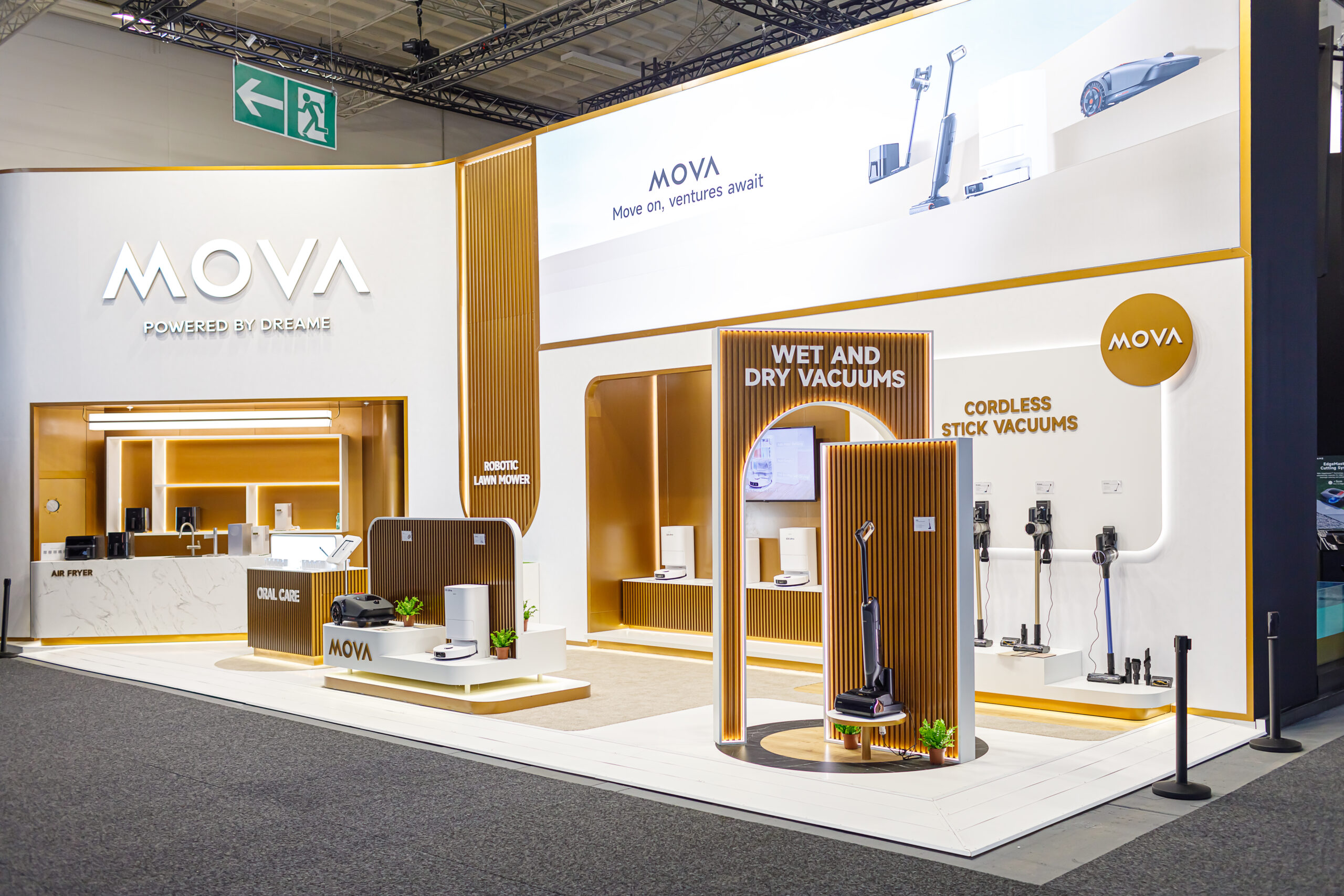
The appearance of a stand is the first point of contact with a brand and often determines whether someone will even stop by. A well-designed stand should be visible from a distance and easy to read. It’s not about an excess of elements, but about their thoughtful use. Too much text or graphics creates clutter, which instead of attracting, repels. Simplicity, appropriate lighting, and a single, strong visual accent are much more effective. It’s also worth providing space for conversation, because trade shows are all about relationships, not one-sided displays.
However, it’s important to remember that the most important element of any stand is the people. They create the first impression and lead conversations that can lead to collaboration. Even the most well-designed space will fail if the staff is passive. A proactive approach is key—initiating contact, asking questions, and being able to briefly present the offer. It’s worth preparing the team in advance so that everyone knows how to start a conversation and how to adapt communication to different types of visitors.
Promotional materials and gadgets also have their place, but their role should be considered. Instead of handing everything out to everyone, it’s better to focus on quality and relevance. Material should support the conversation, not replace it. Similarly, gadgets—if they’re useful and relevant to the brand, they have a chance of staying with the recipient for a long time. Otherwise, they quickly end up in the trash, leaving no trace.
One of the most important aspects of trade show participation is gathering contacts. These contacts represent the true business value of the event. Whether you use technology, forms, or traditional business cards, organizing this data and properly qualifying it is crucial. It’s worth highlighting which contacts are most promising right away, so you don’t waste time analyzing them from scratch after the trade show.
To attract more people, it’s a good idea to introduce activity at your booth. Traffic attracts traffic—if something’s happening, people naturally come closer. This could be a product presentation, a demonstration, a short lecture, or even a contest. Such activities not only increase interest but also help enhance brand recall.
It’s also worth remembering that a successful trade show presence begins even before the event begins. Informing clients and partners about your participation in the event, inviting them to your booth, and scheduling meetings in advance significantly increases efficiency. This means you don’t rely solely on foot traffic, but rather build planned interactions.
The greatest value of trade shows, however, is revealed only after the event. Follow-up, or contact with the people you’ve met, is the moment when potential relationships turn into real business opportunities. A quick message that starts a conversation and suggests the next step can be crucial to the success of the entire endeavor. Unfortunately, many companies skip this step, thus missing out on most of the potential benefits.
Finally, it’s worth taking an analytical look at trade shows. Summarizing the number of contacts, their quality, and comparing the costs with the potential benefits allows you to better prepare for subsequent events. It’s this continuous improvement of your approach that ensures each subsequent edition yields better results.
Ultimately, effective brand promotion at trade shows is a combination of strategy, consistent communication, and team engagement. It’s not a single element that determines success, but the entire experience you create for visitors. If you address each of these areas, trade shows can become one of the most important tools for developing your brand.

 tel: +48/ 61/ 872 60 11
 Bobrownicka 1c St.